
If you took a cross-section of the Andes in southern Peru roughly west to east you’d be looking at a big “M”. Two high mountain passes of 16,000 ft form the points of the “M” and the valley in-between forms the altiplano (high plains) at ~11,000 ft. High altitude valleys, lakes and central cities are situated in this valley of the Andes.


Our first stop was the Colca Valley near Chivay, a fertile area with endless farming terraces of quinoa, barley and other oats with villagers selling their wares.
This valley led to the Colca Canyon which is technically deeper than the Grand Canyon, yet formed in a different geological fashion, upward plate tectonics versus erosion, respectively.
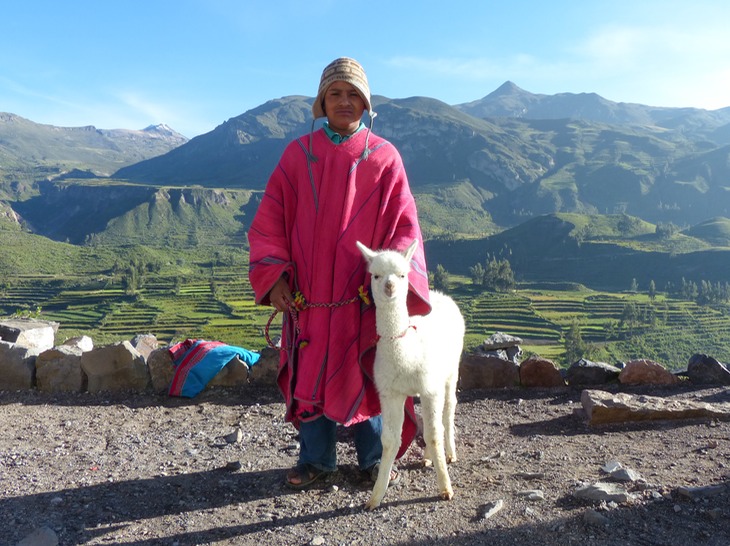
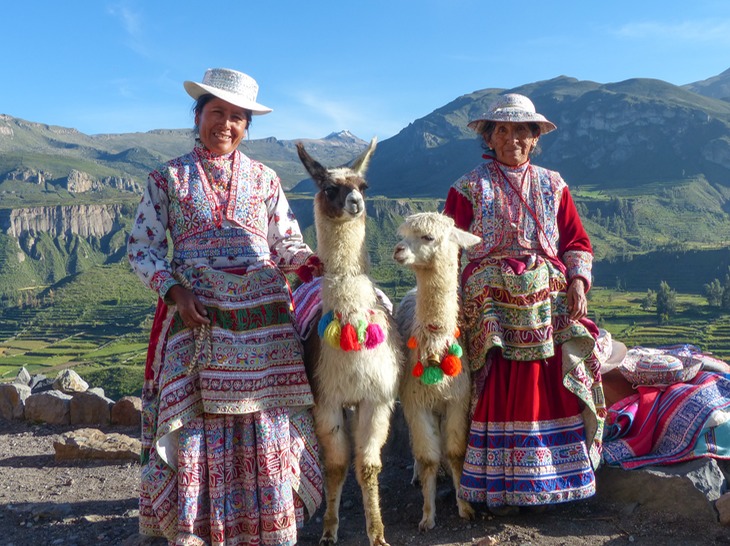
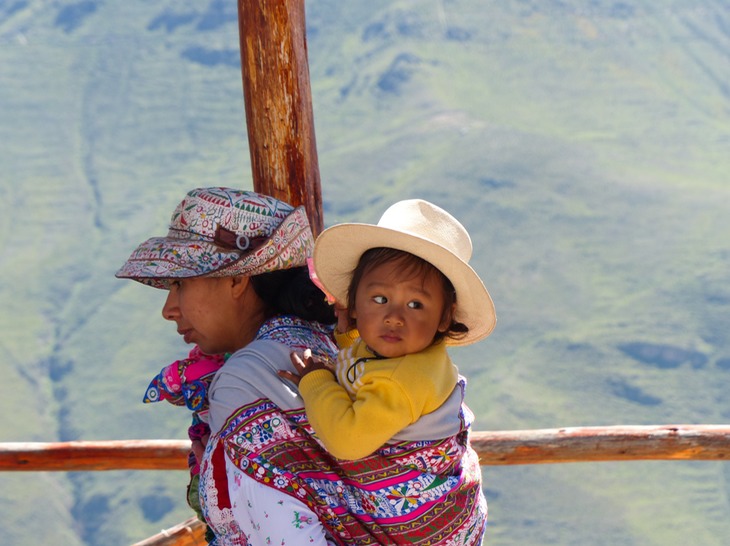
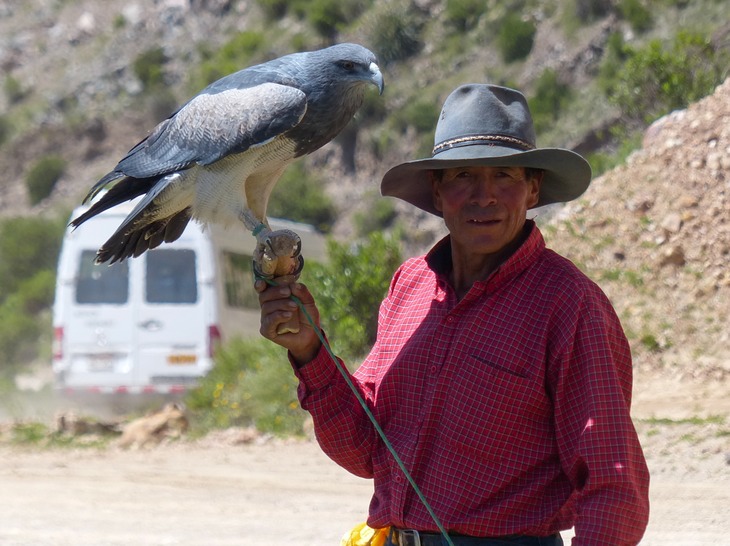

This was possibly our favorite stop ~ all too brief. We stayed a night at the sprawling Colca Lodge with thermal hot springs sitting right next to the racing river (bottom left corner).


The next morning was an early departure to see the Andean condors riding the thermal currents of the canyon. There was a momma and her two babies (brown) flying together and the juveniles even stopped on a nearby rock to take a break. A wonderful experience for bird lovers - ahem.

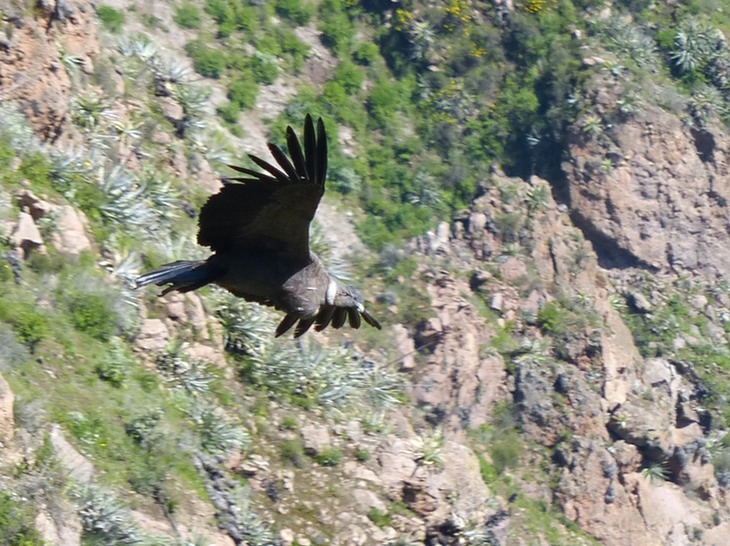
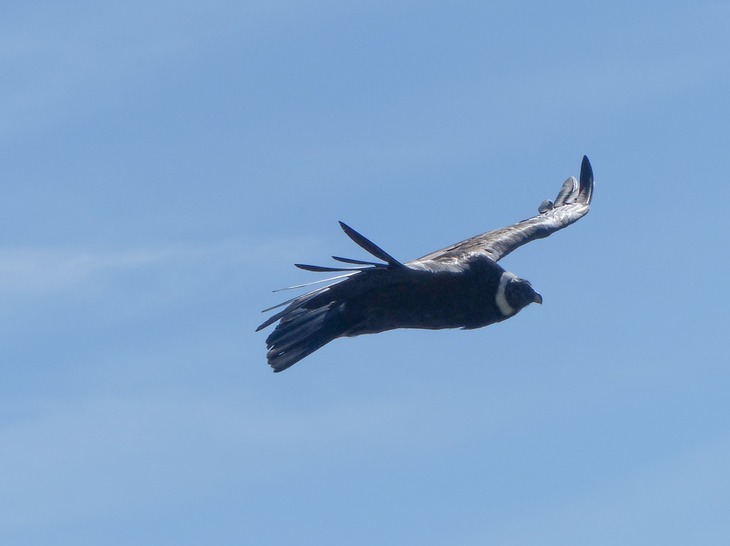
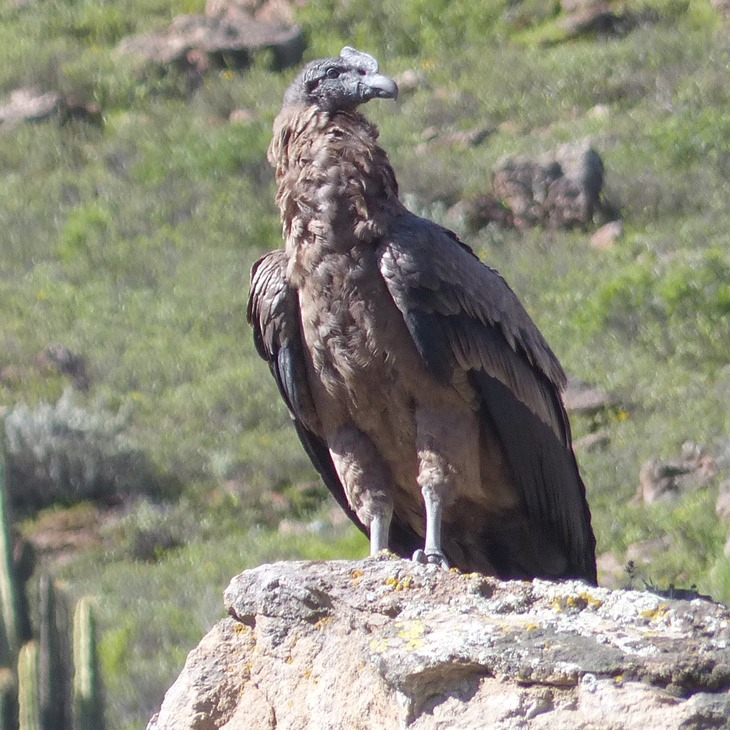
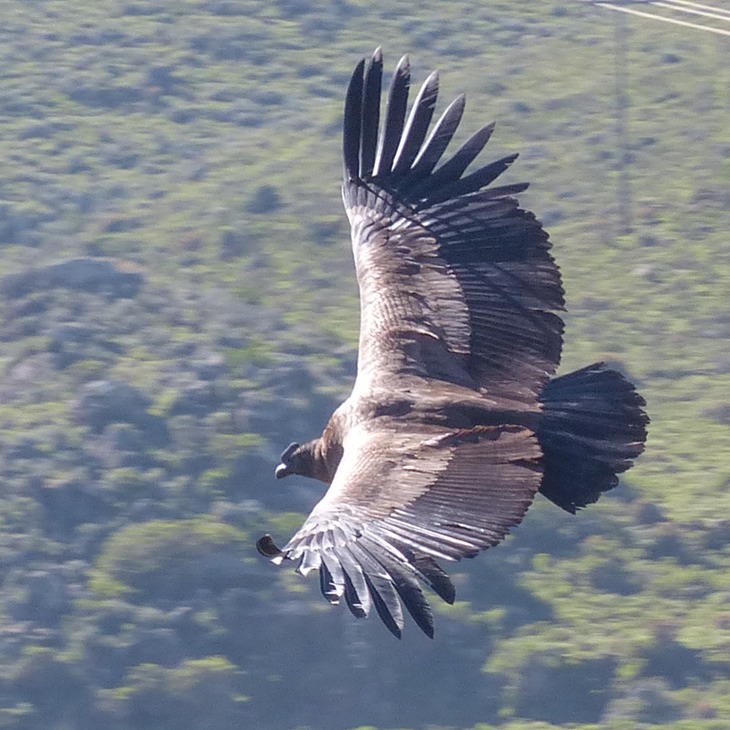
When the condors soar up the immense valley, they end up at eye-level on the overlook coming right at you!


Traveling next to the city of Puno (more brown) was a scenic ride of the countryside, heading up to 12,000 ft. In name, how can you resist the chance to see Lake Titicaca? This visit included a boat trip to the 80+ Uros floating islands made of reeds, anchored in the shallows. A unique practice for the independent people who used to live here between Bolivia and Peru on these floating island platforms amongst surrounding marsh, needing to be rebuilt every month.


It appeared to us that the islands have turned into a tourist play even though the people themselves were kind and cheery.
I guess if you consider it a more a re-creation of a way of life ~ think Williamsburg or the Mystic Seaport ~ then you just go with it.

There was an old abuelo that we could tell did still live there, yet even the tour guide volunteered that the Uros way of life will become obsolete during the next century.
Lunch at the island of Taquile was even more scenic after a steep 500 ft climb. The people who live there wear clothes and hats that distinguish their martial status, the men knit, the women farm and trade coca leaves as a social custom. We could feel the effects of altitude during the climb to overlook the highest navigable lake in the world.


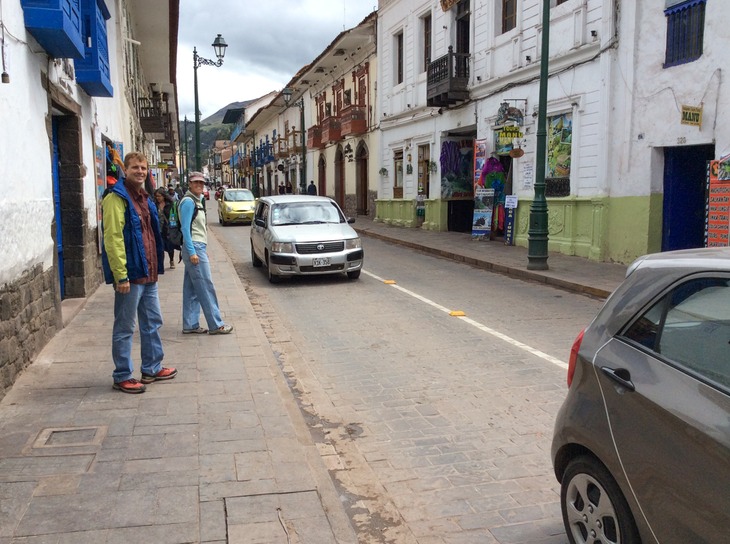
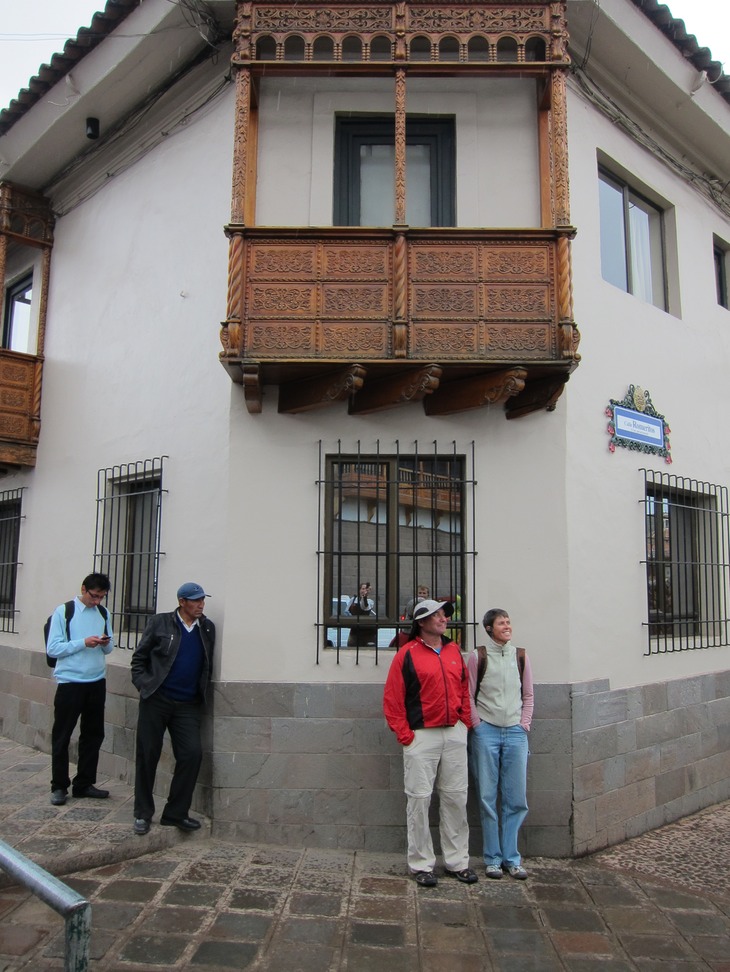
On to Cusco, the big central city and center of the ancient Inca empire. We had several days at leisure here over Easter week to acclimate to the altitude and take in the historic sights, which existed on every street corner.
This was the setting where the Inca gods ruled in gold-lined temples and monumental fortresses and eventually met their downfall at the hands of Spanish conquistadors. The story of how only hundreds of Europeans conquered an empire of 10 million is amazing and complex. I read the book The Last Days of the Incas by Kim MacQuarrie before the trip and it added to my awe of this place (thanks for the tip Jack & Judy!).

Cusco is a large yet still walkable city and we were able to explore a lot of it in our time there. At over 2 miles high we had to catch our breath from all of that walking, plus wear several layers by this point to try and stay warm ~ the sun helped.

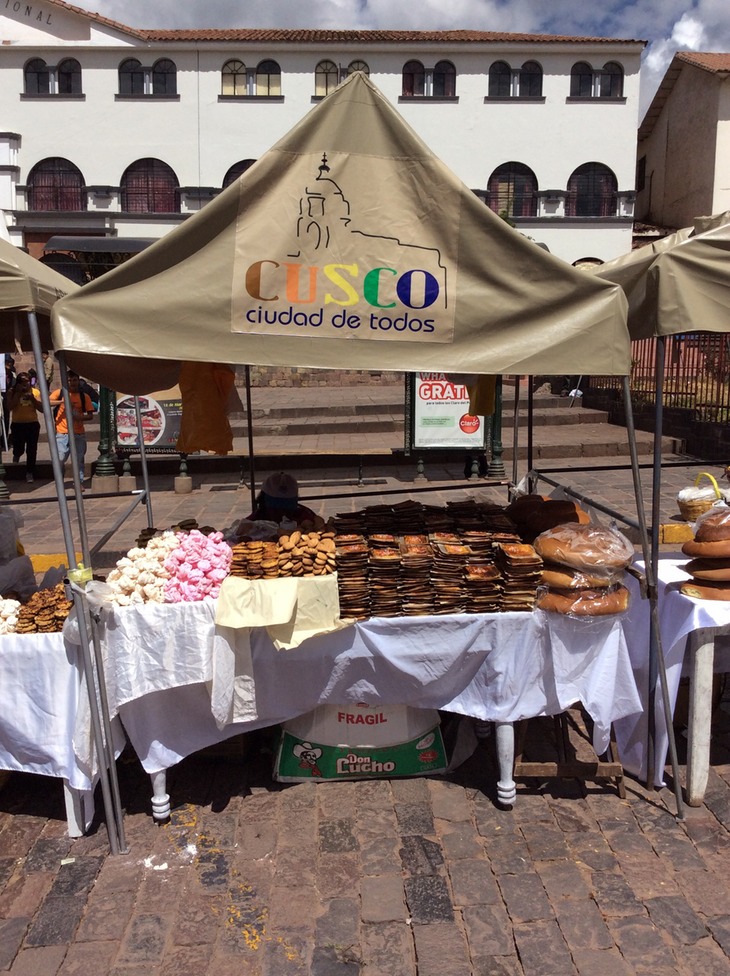
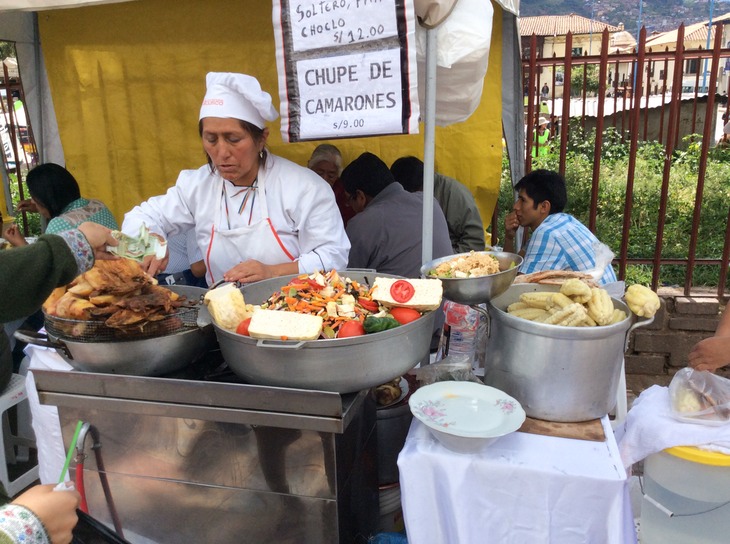
There were many markets, plazas and pubs to visit with lots of activity during the holiday week. We’d often seek out restaurants with hornos for yummy oven roasted pizzas plus a little extra warmth.

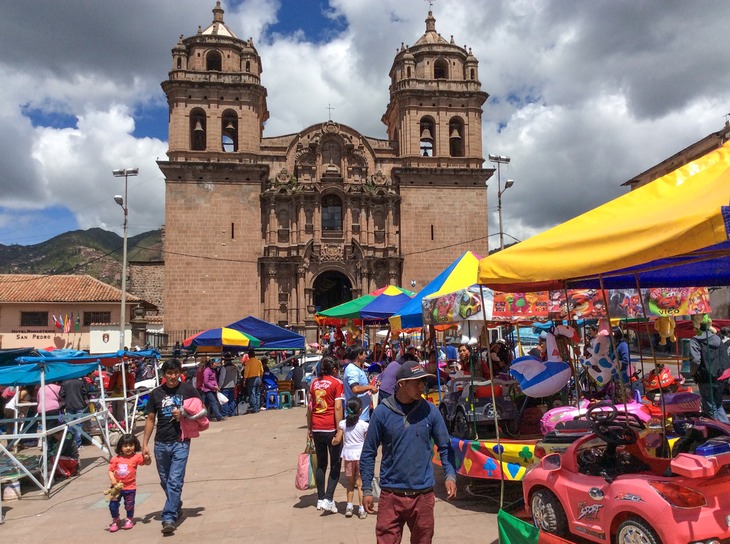

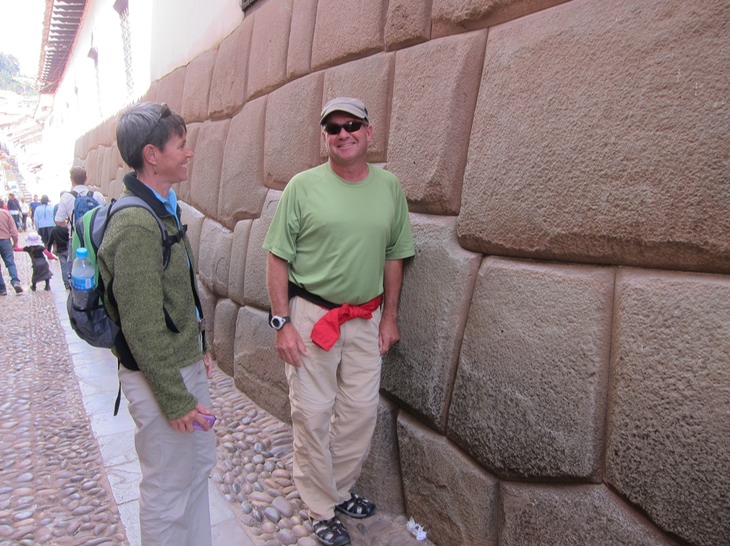
Two of the major archeological sites we visited here, besides more incredible churches, were Qoricancha the Inca Sun Temple (that the Spanish built right on top of) and Sasquawaman the Inca Fortress. You need to see the Inca masonry to believe it, practically on every street corner in Cuzco. The method of laying multi-faceted shapes that leave zero space between seams at any scale is just incredible.


