The path from Cusco to the Sacred Valley is strewn with history. Old Inca trails are visible all along the Urubamba river where runners once traveled to relay messages and storage units were placed every few miles for food and weapon stockpiles. This is where noble Inca classes once lived ~ and also escaped to once Spaniards encroached.

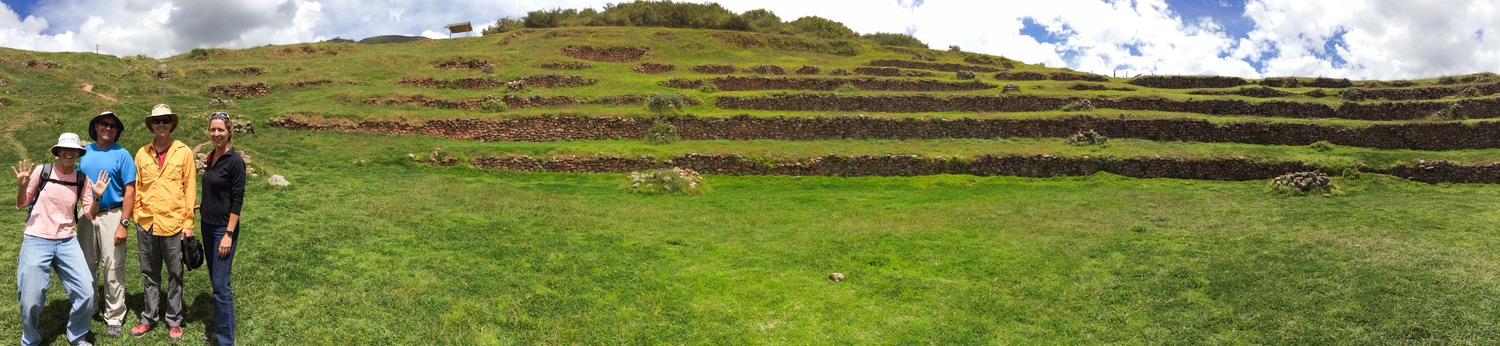
Scenic does not begin to describe this lush valley. Driving past patchwork fields we encountered sites for terraced agriculture at Pisac, Ollantaytambo and Moray.

Pisac is an impressive archeological sight with ruins at the apex. There is a graveyard in the facing rock that has been ransacked since people were buried with gold and ceramics to use in the afterlife.


The town of Piscac has a high quality marketplace where Mark played a tune on the cool charango guitar ~ 5 sets of double strings & a round back that used to be made from armadillos.


Ollantaytambo was expanded by the Inca god Pachacuti and later became a refuge for his great-grandson Manco Inca when escaping the conquistadors, which he reinforced with a city wall. The quaint town below is a nice place for a stroll and lunch, including Peru’s famous Inca Cola that only Mark would drink ~ that is his color after all!


The circular agriculture system at Moray was an ingenious way to create microclimates with warm air in the lower levels. In this way they could breed and adapt plants to higher climates.

Nearby was the Maras salt fields, a community mine shared with families across the region, fed by a seriously saline underground water supply. Once again, unlike anything we’d ever seen! The bottom layer of pink salt is highly prized and bulk salt is collected and used for salt licks for the llamas and alpacas.


We spent the night in Yucay at an enchanting hacienda with flowers everywhere…
...needless to say we did NOT want to leave!

Finally, we were off to Machu Picchu. There are only two ways into this site and the nearby town Aguas Calientes: by train or by foot. Many people opt to hike the Inca Trail for 4 days through the valley using porters. We took the train and it felt like we were entering an entirely uninhabited world where we might find King Kong or Jurrasic dinosaurs!


In this cloud forest, we got our first taste of rain, mostly in the form of fog and sprinkles. Aguas Calientes town is on the Urubamba river that was still racing with the waters from the previous 3 months of rainy season. It is a fun place to explore on its own for a few days.


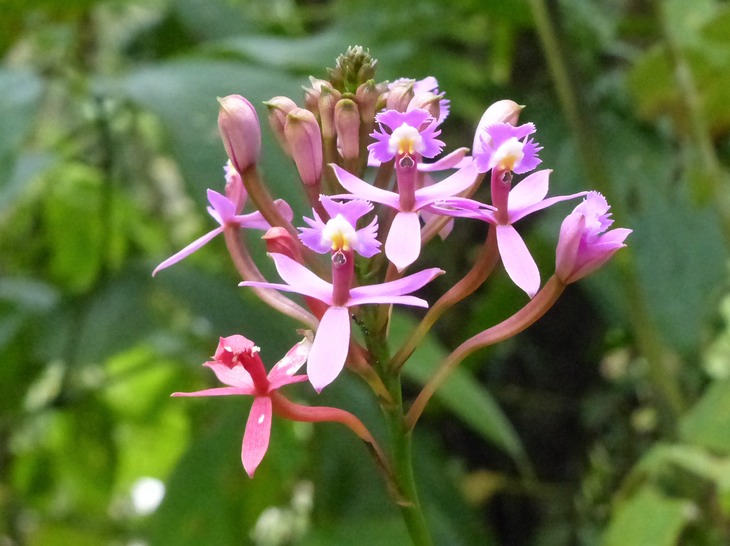
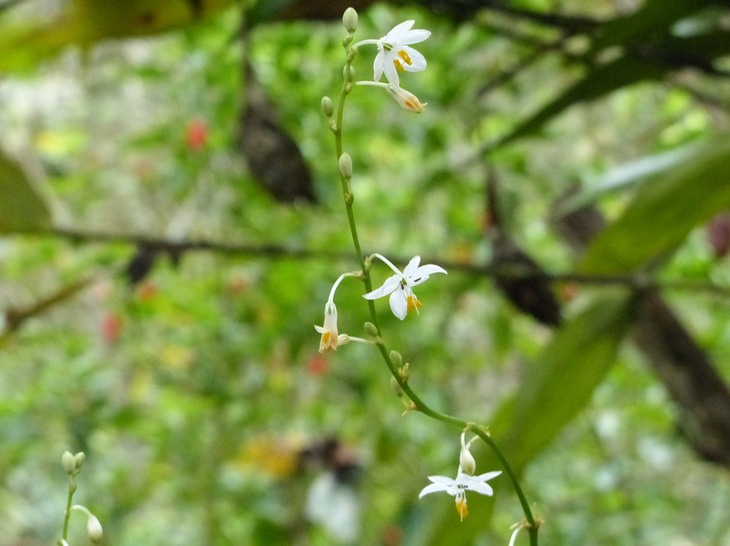
We took a hike to the Mandor Falls along the train tracks and got our first taste of wildlife in the cloud forest. Birds, orchids and butterflies unique to the area were the thrill of the day… the falls were okay too.



Our visit to Machu Picchu and Huayna Picchu started very early one morning on a bus to reach the entrance (alt. 8000 ft) to the ruins. Only 20% of what exists here has been excavated. There were many incorrect theories put forth for this site after its western discovery by Hiram Bingham, but it turns out that this was a royal complex built by Pachacuti the Inca god with many temples and astronomical features.

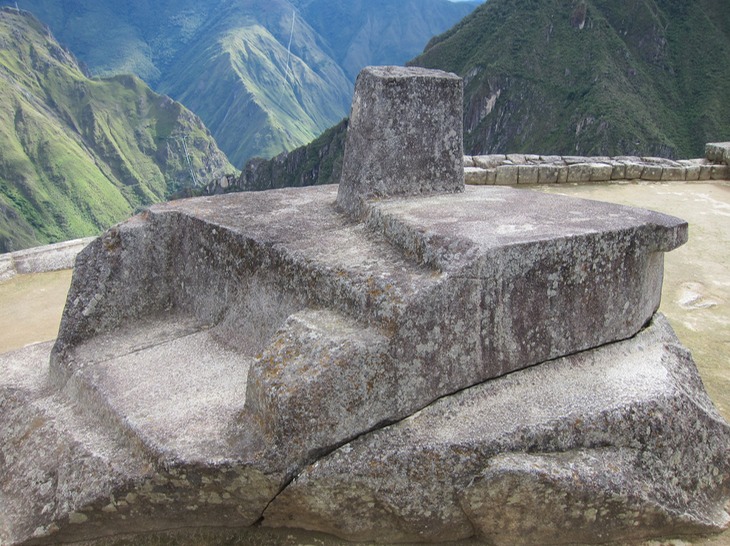
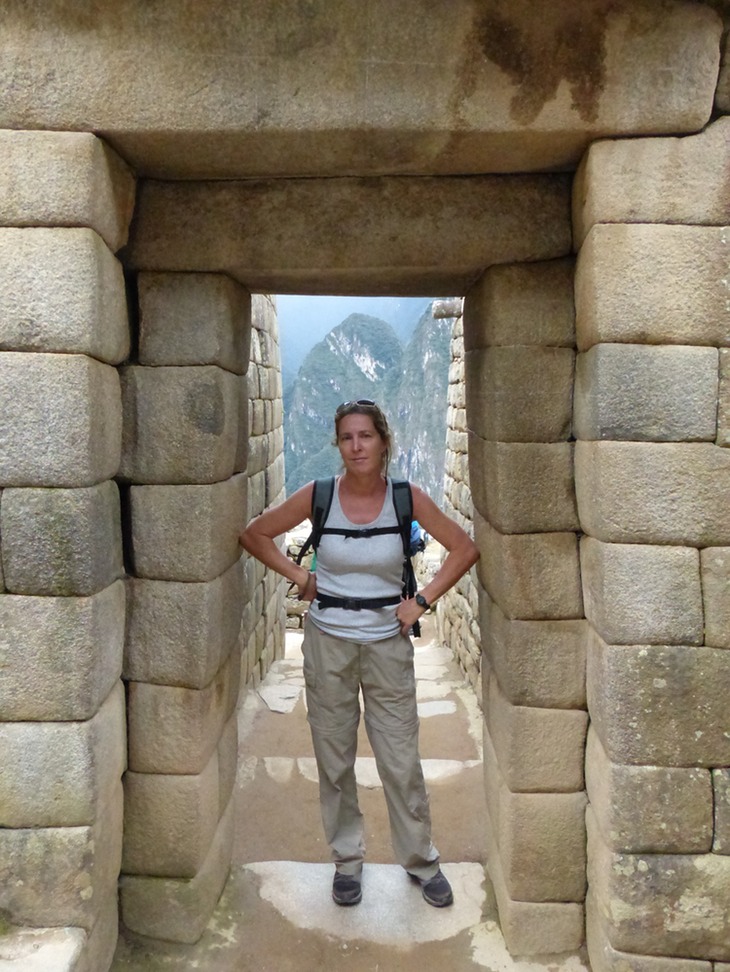
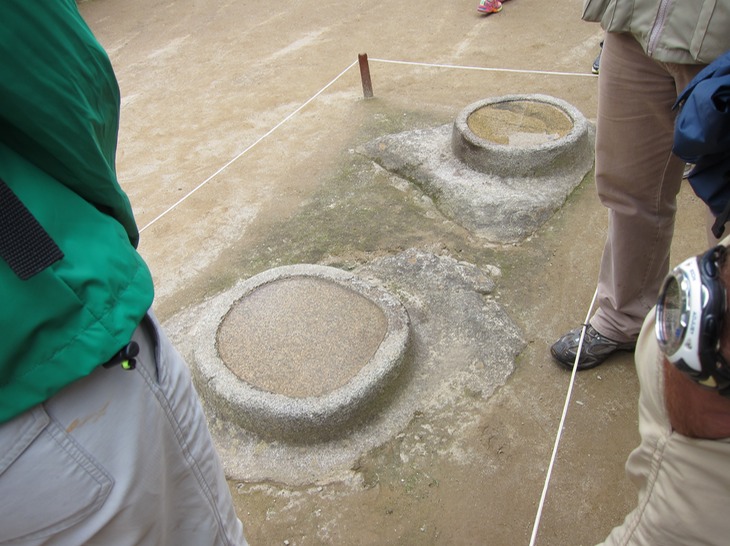
We particularly admired the Temple of the Sun, a sundial & water mirrors for astronomical observations, and a quarry for active masonry. The stonework was impeccable as is fitting for a deity and the walls were laid at a 13 degree angle to protect buildings from seismic activity.



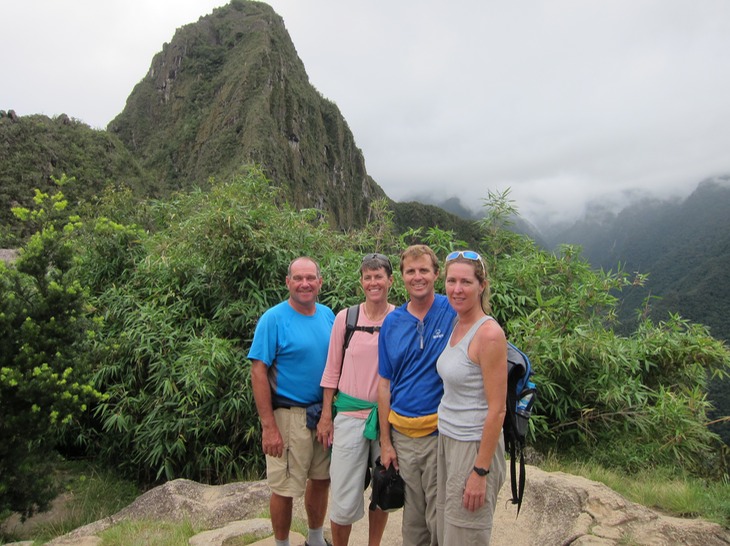
Huayna Picchu lies in the background and is an optional hike for 200 people a day, so we were fortunate to be signed up ahead of time.
Hiking up on the early time-slot (8-10 am) we marched straight up another 1000 ft into the clouds!
They only parted a little way for us to look down on Machu Picchu below, but we enjoyed the rest and a rainbow.


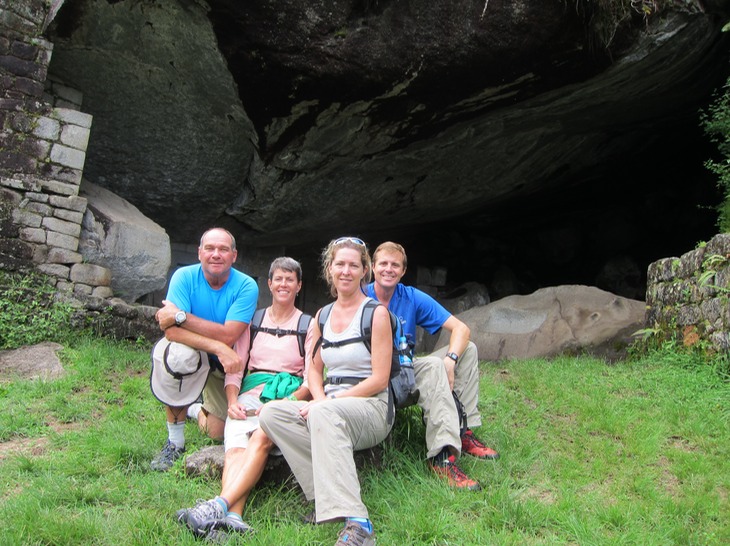
On our hike down we took the old Inca path that led to the Temple of the Moon cave, where mummies of past Inca gods were kept along with their treasures to stay with the royal family wherever they went.


Little did we know we’d have to hike back up again… our legs and lungs were burning by now!! Much of this trail was along the steep rock-face and was of course centuries old.


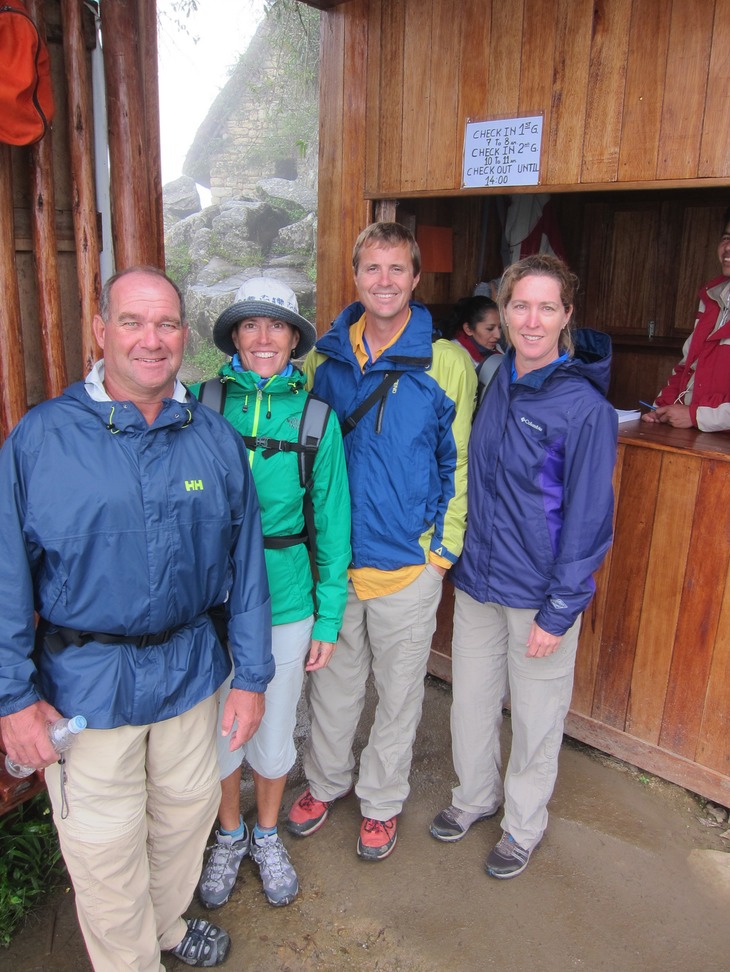
Can you tell the before, during and after Huayna Picchu photos? The afternoon found us hiking the rest of Machu Picchu ~ a bit more slowly by now ~ to take in the fantastic views.